Historical Crisis: Death of Stalin

APPROXIMATE COMMITTEE SIZE: 12

A Crisis Committee places delegates in the middle of fast-moving, high-stakes situations where every decision shapes the course of history. Unlike traditional Model UN committees, Crisis operates in real time. Delegates take on the roles of key figures, draft directives, send private communiqués, and react to constant updates from the crisis staff. Success depends on strategy, timing, and the ability to adapt under pressure.

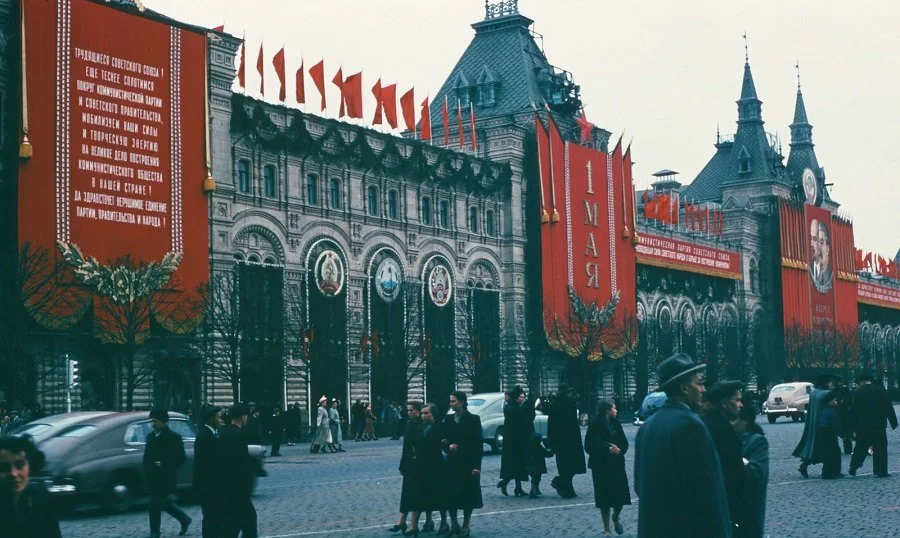
The year is 1953. The Soviet Union stands at a crossroads. After decades of authoritarian rule, Joseph Stalin’s sudden death sends shockwaves through the heart of the communist world. The man who built a regime on fear and control leaves behind a vast empire with no clear successor. Inside the Kremlin, tension runs high as the powerful men of Stalin’s inner circle scramble to secure their place in the new order.

The machinery of the state grinds uncertainly forward. Ministries compete for influence, the secret police monitor every whisper, and the Red Army watches closely. Each leader has their own vision for the future: some push for reform, others for consolidation. Old rivalries resurface as alliances form and dissolve in the shadows. One mistake could mean exile—or worse.

In this committee, delegates embody the figures who hold the fate of the Soviet Union in their hands. They must navigate a web of mistrust, ambition, and ideology to determine what comes next. Will they preserve Stalin’s legacy of iron-fisted control, or steer the USSR toward a new path of leadership and reform? The future of one of the world’s most powerful nations hangs in the balance.

Background Guide
Dossiers

Your Dais


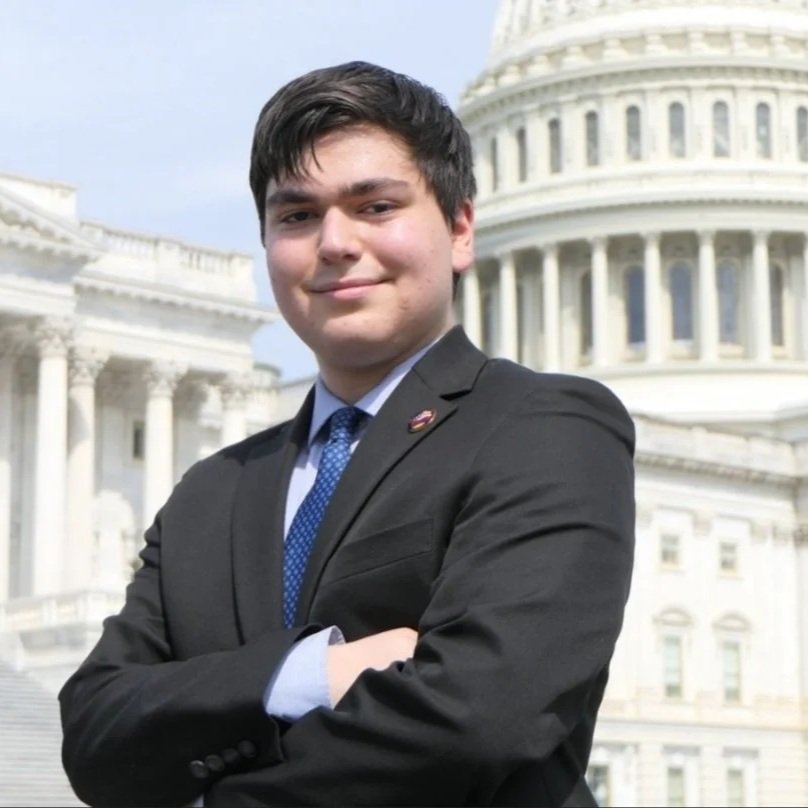
Arsen Bagdassarian, Chair

Zhasmin Abdikul, Staffer

Barrett Davidson, Vice Chair

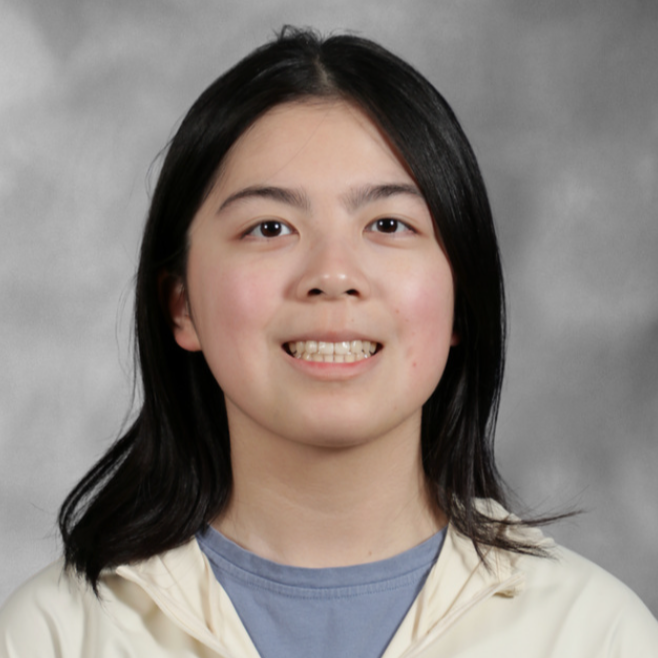
Jacqueline Wu, Staffer