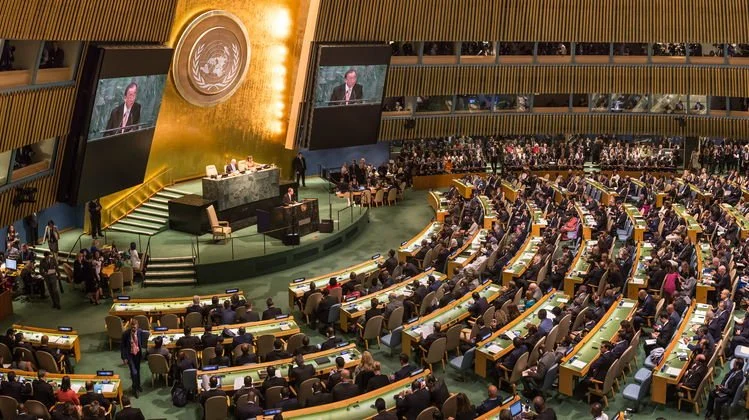
ECOSOC: Commission on Sustainable Development (CSD)

APPROXIMATE COMMITTEE SIZE: 50

The Economic and Social Council (ECOSOC) is one of the six principal organs of the United Nations, responsible for addressing global economic, social, and development challenges. It serves as a platform for Member States to collaborate on policy recommendations, coordinate humanitarian efforts, and promote sustainable development worldwide. Within ECOSOC, the Commission on Sustainable Development (CSD) focuses on translating sustainable development goals into concrete policy and coordinated action across sectors. Debate in this committee is rigorous and collaborative, as delegates navigate national interests, regional alliances, and the broader goals of the CSD.

This year, the CSD concentrates on two urgent challenges: managing sustainable tourism to protect natural heritage sites from over-tourism, and ensuring ocean sustainability by preventing deep sea mining and protecting marine biodiversity. Tourism brings jobs and revenue, yet visitor pressure damages fragile sites, strains local services, and alters community life. Oceans support fisheries, climate regulation, and biodiversity, yet new pressures from seabed extraction threaten habitats that remain poorly understood. Both issues demand policy tools that balance local livelihoods, conservation, and global commons management.

Delegates will debate how to encourage tourism that supports conservation and community welfare, and how to safeguard the ocean as a shared resource. Discussions will range from national policy instruments to multilateral regulation, financing mechanisms for conservation, and pathways for inclusive governance. Join us to shape pragmatic solutions that protect cultural and natural heritage, and that secure ocean health for future generations.

Topic A: Sustainable Tourism

Over-tourism undermines the integrity of natural and cultural sites by degrading landscapes, disrupting local economies, and eroding social fabric. Popular parks, coastal reserves, and historic sites face trampling, pollution, and infrastructure stress. Local communities often experience rising prices and displacement while receiving limited benefit from tourism revenues. Addressing these problems requires measures to manage visitor numbers, invest in resilient infrastructure, redirect tourism flows, and ensure local stakeholders share decision making and revenues.

What policy tools should states adopt to manage visitor flows and protect heritage sites while preserving tourism income? How should revenue from tourism finance conservation and community development? What role should local communities, private operators, and international bodies play in site governance and capacity building?

Topic B: Ocean Sustainability

Deep sea mining presents high ecological risk for habitats that are slow to recover and poorly studied. The seabed hosts unique species and plays a role in carbon storage and fisheries resilience. Current international frameworks, including UNCLOS and the International Seabed Authority, struggle to balance resource access with precautionary science. Delegates will weigh proposals ranging from a global moratorium on commercial mining to strict environmental safeguards, expanded marine protected areas, and improved impact assessment and monitoring standards.

What international mechanisms should govern seabed activities to prevent irreversible harm to marine ecosystems? How should scientific uncertainty shape policy on deep sea mining and the design of precautionary measures? How can fair distribution of ocean benefits be ensured while protecting biodiversity and supporting coastal communities?

Background Guide

Your Dais


Renee Lubomirski, Chair

Penelope Howes, Co-Chair


Claire Lin, Staffer

Uta Tsuchida, Staffer

, Staffer